Single Wide vs Double Wide — What's the Difference?
Same basic question every buyer asks us on the lot. Here's the real answer, not just the width numbers.
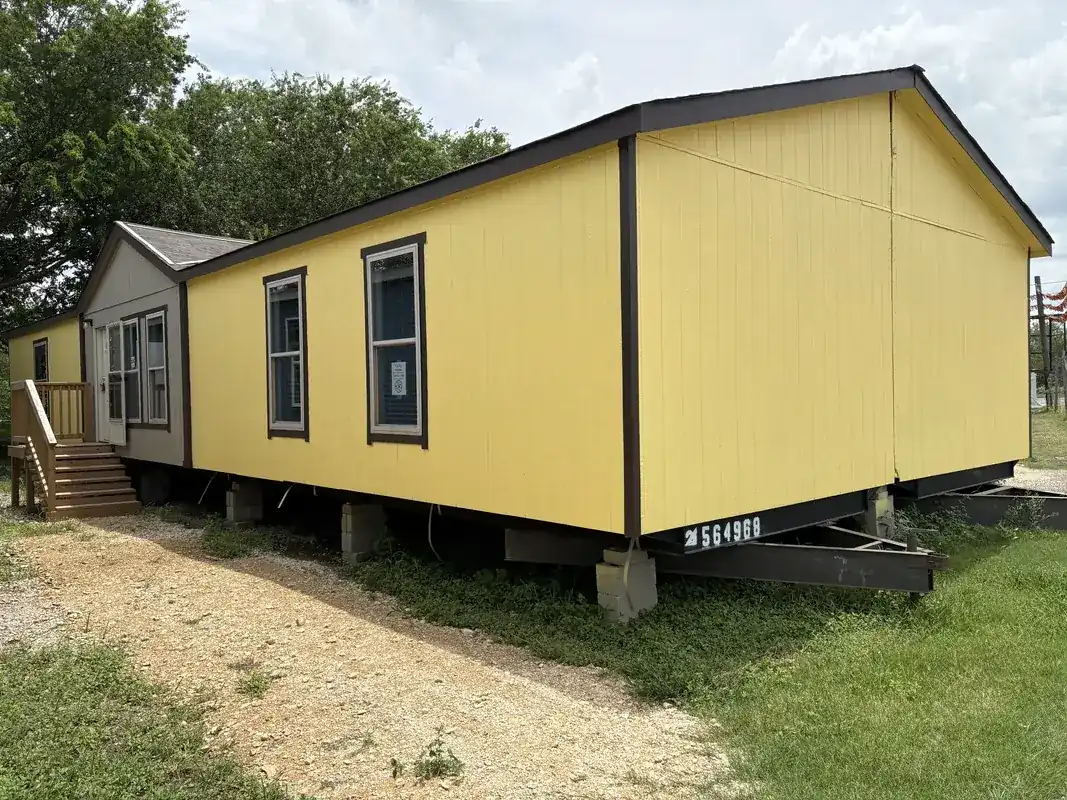
Almost every family who walks onto our lot on US-281 asks the same question before they've even seen a floor plan: single wide or double wide? It's a fair question, and it's not just about width. Section count changes your price, your setup timeline, and how the home actually lives day to day. Here's what really separates the two, straight from what we see selling both every week.
The basic difference: one section vs two
A single wide is manufactured as one complete section in the factory and delivered to your site in one piece, up to about 18 feet wide. A double wide is built as two separate sections, trucked to your property separately, and joined together on-site along what's called a marriage line — up to about 36 feet wide total once the two halves come together.
That one difference is where almost everything else comes from: price, delivery logistics, setup time, and how much living space you end up with.
Single wide vs double wide, side by side
| Single Wide | Double Wide | |
|---|---|---|
| Width | Up to ~18ft | Up to ~36ft (two sections) |
| Typical bedrooms | 1–3 | 3–5 |
| Delivery | One trip, one section | Two trips, two sections |
| Site setup | Faster — no section join | Longer — sections joined, seam finished |
| Lot size needed | Fits smaller lots and tighter park spaces | Needs a wider pad |
| Starting price | Lower entry point | Higher, but more square footage per home |
Neither one is the "better" home in the abstract — it depends entirely on your family size, your lot, and your budget. A retired couple on a small park space and a family of five on their own acre are usually shopping for two completely different homes, and that's exactly why we carry both.
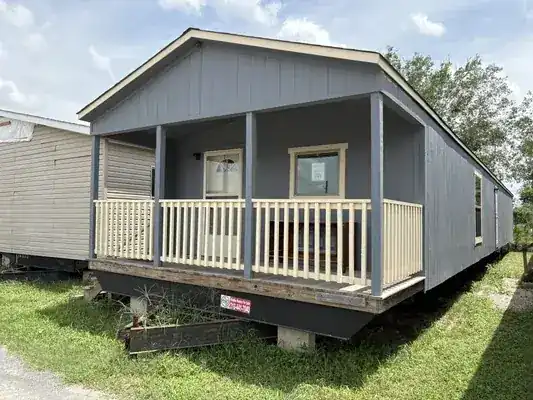
Who actually picks a single wide
Single wides move fastest with first-time buyers, couples without kids yet, and anyone buying land or a park space where the lot itself is tight. The lower price point also matters for buyers stretching every dollar toward the down payment — less home to finance means an easier qualifying number with most lenders.
We also see single wides go to buyers replacing an older home on land they already own, where the existing pad and utility hookups were sized for a narrower footprint to begin with. Reusing that infrastructure instead of expanding it saves real money on the setup side.
Who actually picks a double wide
Families needing three or more real bedrooms are the clearest double wide buyers — the extra width opens up a genuine living room, a kitchen you can move around in, and bedrooms that aren't just big enough for a bed. Anyone comparing a manufactured home to a site-built house is usually looking at a double wide, since the wider shell is what gets you closest to that feel.
The trade-off is setup. Joining two sections, finishing the marriage-line seam, and completing both halves' utility tie-ins takes real site time — plan on more days between delivery and move-in than a single wide.
Price: how much of a gap is there really?
A double wide generally costs more than a single wide, but not simply double — you're paying for roughly double the square footage, not double the setup complexity. The bigger swing on total price usually comes from new versus repo, not single versus double. A repo double wide can land close to a new single wide's price, which is exactly why we tell buyers to compare real homes on the lot instead of shopping off a general price chart.
See real prices, not estimates. Inventory turns over weekly and repos go fastest — browse what's actually on the lot today to compare real single wide and double wide pricing side by side.
Financing: does section count change your approval?
Not directly — lenders qualify you on income, credit, and the total amount financed, not on section count specifically. But since a double wide typically means financing more money, your monthly payment and required down payment will usually be higher than a comparable single wide. If you already own land, land-in-lieu financing can apply the same way to either — see our financing page for the full breakdown and to apply free.
FAQ
How wide is a single wide vs a double wide mobile home?
A single wide is built and delivered as one section, up to about 18 feet wide. A double wide is two sections joined on-site, up to about 36 feet wide total.
Is a double wide always more expensive than a single wide?
Generally yes, since you're financing roughly double the square footage — but new versus repo usually swings the price more than section count alone. A repo double wide can cost close to a new single wide.
Does a double wide take longer to set up on my land?
Yes. A single wide is one delivery and one setup pass. A double wide requires two delivery trips, joining the sections along the marriage line, and finishing the seam — plan on more site days before move-in.
Can a single wide fit on a smaller lot or park space?
Yes — that narrower footprint is exactly why single wides are the common choice for tighter mobile home park spaces or smaller land parcels where a double wide's wider pad wouldn't fit.
Which one should I choose for a family of four or five?
Most families that size choose a double wide for the extra bedrooms and living space, but it depends on your lot and budget — come see both floor plans on the lot and we'll help you compare real options for your family.
Compare real single wide and double wide homes
The best way to decide is to walk both. See what's actually on the lot this week and get a real price on the home that fits your family and your land.